Dog Head Embroidery Design Review for Small Business
As a professional embroidery designer who has spent years translating digital files into tangible brand assets, I approach every new design with a critical eye. When I first loaded the Dog Head machine embroidery design into my software, my goal was not just to see how it looked on a screen, but to evaluate its potential as a cornerstone for small business merchandise and branded patch use. The description promises to "unleash your creativity" and add a personal touch effortlessly, which is a bold claim in an industry where stitch density and fabric texture can make or break a project. For boutique owners, Etsy sellers, and merch creators looking to elevate their brand identity, understanding the practical application of this Dogs category asset is essential before hitting the production button.
First Impressions: Visual Personality and Brand Fit
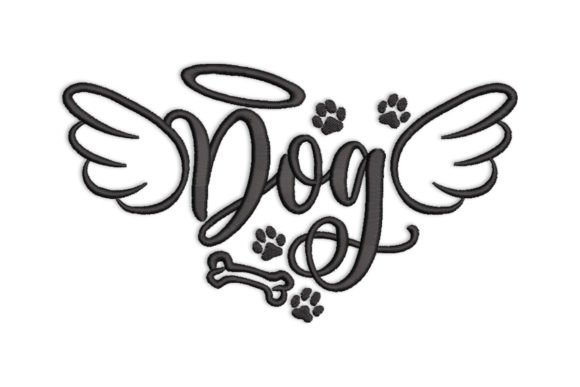
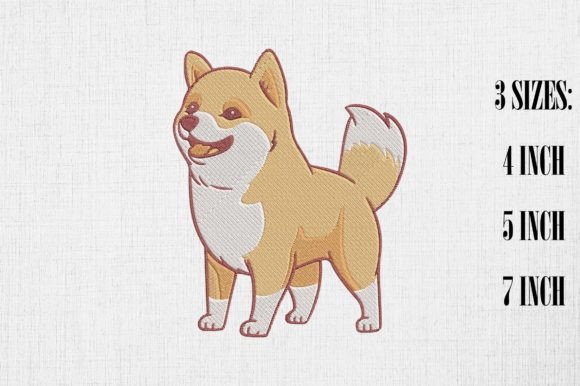
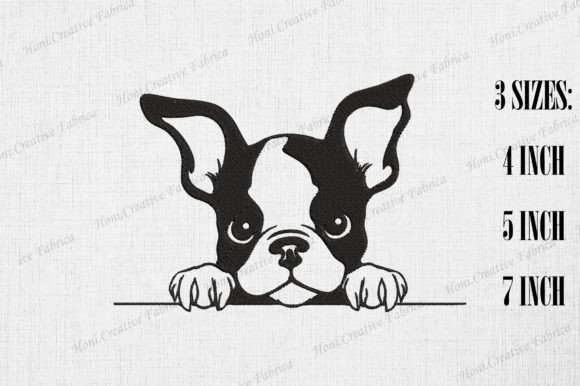
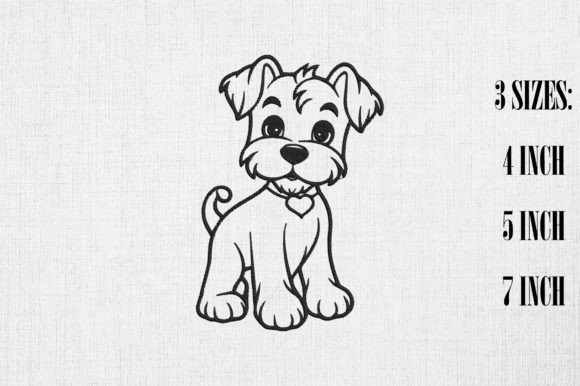
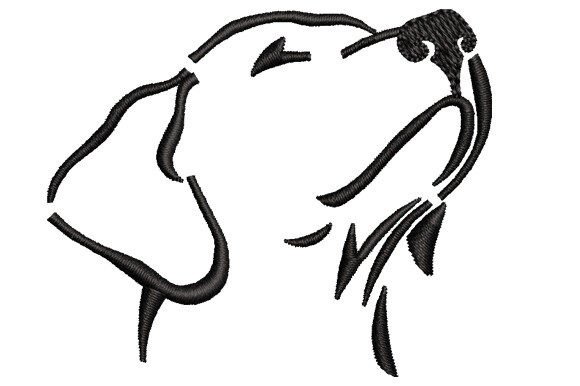
The initial rendering of the Dog Head design strikes a balance between friendly approachability and professional polish. In the world of custom apparel, animal motifs often walk a fine line between being too cartoonish for corporate uniforms and too generic for high-end handmade products. This particular design feels versatile enough to serve multiple market segments. Its lines appear clean, suggesting it could work well as a subtle chest logo accent on staff aprons for a local café or bakery, or as a bolder statement piece on tote bags for a pet-friendly boutique.
For a creative studio or florist aiming for a rustic yet premium aesthetic, the Dog Head offers a visual anchor that suggests warmth and loyalty—traits that translate well into customer trust. However, the true test of any digital embroidery file lies in how it translates from pixels to thread. A design that looks exquisite on a monitor must also withstand the physical realities of commercial embroidery, including tension issues and fabric distortion.
Real-World Applications for Merchandise and Uniforms
When considering Dog Head for actual business use, the possibilities extend far beyond simple decoration. Here is how this design performs across various product categories:
- Embroidered Patches: One of the most effective uses for this design is creating standalone embroidered patches. These can be sewn onto denim jackets, backpacks, or even used as unique product packaging accents. The distinct shape of the dog head allows for a clear silhouette, which is crucial for recognition at a distance.
- Staff Uniforms and Apron Embroidery: For a small business like a dog grooming salon or a pet food shop, placing this design on the left breast of a uniform shirt or the bib of an apron creates immediate brand consistency. It signals professionalism while maintaining a playful, welcoming vibe.
- Cap Embroidery: The compact nature of the design makes it a strong candidate for cap fronts. Unlike sprawling landscapes or text-heavy logos, the Dog Head fits neatly within the standard 3x4 inch hoop area typically used for hats without losing detail.
- Tote Bag Design: As eco-friendly shopping becomes more popular, branded tote bags are a staple for retail businesses. Using this design as a central motif on canvas totes adds significant perceived value to the finished product, turning a simple bag into a walking advertisement.
- Etsy Branding and Customer Gifts: Handmade brands often struggle to find affordable ways to brand their packaging. A small version of this design on a gift tag or a cloth favor bag can enhance the unboxing experience, making the brand feel established and thoughtful.
Critical Considerations for Production Success
While the potential is high, there are specific areas where the Dog Head design requires careful handling to ensure a flawless result. As a designer, I always advise clients to test the waters before committing to a full run of inventory.
Size Limitations and Detail Retention: If you plan to use this design for very small patches or tiny sleeve details, be cautious. Intricate outlines in a dog's face can get lost if the design is scaled down too aggressively. Always check the minimum recommended size in the file documentation. If the features blur together, the brand message becomes muddy rather than clear.
Fabric Texture and Stabilizer Choice: The success of this embroidery depends heavily on the substrate. On textured fabrics like heavy canvas or fleece, the thread colors may sit differently than on smooth cotton. You must use the proper stabilizer to prevent puckering, especially if applying this design to stretchy materials or items that will undergo frequent washing. Without adequate support, the detailed curves of the Dog Head could distort over time.
Thread Color Contrast: To maximize visibility on dark uniforms or black tote bags, you will likely need a bright underlay or a contrasting top thread. Do not assume the default color palette in the file will work for your specific brand colors. Review the thread colors carefully against your swatch book to ensure the design pops rather than blends in.
Impact on Brand Identity and Commercial Value
Incorporating a well-executed design like Dog Head does more than just add a picture; it reinforces brand identity. Consistency in visual assets builds customer recognition. When a client sees the same logo on your website, your staff's caps, and your product labels, it creates a cohesive narrative that screams professionalism. This visual consistency is vital for handmade brands competing in crowded markets like Etsy or local craft fairs.
Furthermore, high-quality embroidery elevates the perceived value of your goods. A tote bag with a professionally stitched logo feels more premium than one with a printed decal. This tactile quality encourages buyer engagement and fosters a sense of loyalty. For product designers, having a reliable set of design assets like this allows for rapid prototyping and the creation of printable mockups to show clients before production begins.
Practical Designer Notes for Implementation
Before integrating Dog Head into your workflow, follow these practical steps to ensure a successful commercial embroidery project:
- Test in Black and White: Run a test stitch in a single color first to check for jump stitches, spacing issues, and overall shape integrity without the distraction of thread changes.
- Verify Hoop Size: Confirm that your machine's hoop can accommodate the design dimensions comfortably. If you need to hoop larger garments, ensure the design is centered correctly to avoid uneven stitching.
- Check Licensing Terms: Always confirm commercial licensing before using any digital embroidery file for business. Ensure you have the rights to sell items featuring this design as part of your small business merch.
- Create Mockups: Use the digital file to create realistic printable mockups for client approval. This helps manage expectations regarding how the final product will look on different fabrics.
- Inspect Stitch Density: Review the file settings to ensure the stitch density isn't too high, which can cause fabric stiffening, or too low, which might leave gaps in the fill.
By treating the Dog Head design as a strategic business asset rather than just a decorative element, you can unlock its full potential. Whether you are sprucing up your home studio or revamping your entire wardrobe line, this embroidery file offers a versatile foundation for building a recognizable and trusted brand. Just remember to respect the technical requirements of the medium, and your finished products will speak volumes about your commitment to quality.