Sugar Cookie Quilt Block: A Designer Review
As a professional embroidery designer who has spent years refining machine embroidery design for commercial use, I approach every new file with a critical eye. When evaluating a digital asset like the Sugar Cookie Quilt Block, my goal is not just to see if it looks pretty on a screen, but to determine if it can withstand the rigors of production for small business merchandise. This specific design taps into a powerful emotional vein: nostalgia. Based on the retro cookie cutters that many families used decades ago, it promises a certain charm and brings a smile, evoking thoughts of days gone by. But does this sentimental value translate into a viable asset for branded patches, uniforms, and retail products? Let's dive into a practical review.
First Impressions: Balancing Nostalgia and Professionalism
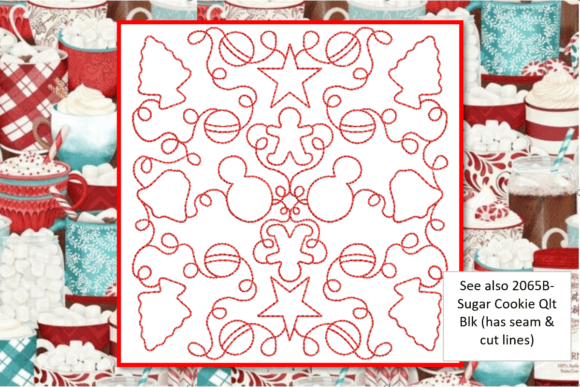
The immediate visual impact of the Sugar Cookie Quilt Block is undeniably warm and inviting. In the world of brand identity, especially during the Christmas season or for year-round holiday-themed boutiques, this aesthetic is gold. It feels handmade yet structured, blending the rustic appeal of a quilt block with the playful shapes of vintage baking tools. For a bakery, a cozy café, or a local craft studio, this design screams "authentic." It suggests a brand that values tradition, quality, and community.
However, the line between "charming" and "amateurish" is thin in commercial embroidery. The success of this embroidery file depends entirely on execution. If the stitch density is too high, the intricate details of the cookie cutter shapes could become muddy. If the outlines are too thin, they might disappear on textured fabrics. As a designer reviewing this for client work, my first thought is always about scalability. Can this design maintain its integrity when shrunk down for a cap front or enlarged for a tote bag?
Real-World Applications for Small Business Merch
For small business owners looking to elevate their small business merch, the Sugar Cookie Quilt Block offers versatile application opportunities. Here is how I envision it performing across different product lines:
- Staff Uniforms and Aprons: An apron embroidery placement on the bib or pocket is perfect for a bakery or a holiday pop-up shop. The design adds a personal touch that makes staff look approachable and festive without being overly corporate.
- Branded Patches: Creating an embroidered patch from this design allows for mass production. These can be sold as standalone collectibles or attached to denim jackets, backpacks, and hats. The quilt block structure works exceptionally well for patches because it creates a defined border, ensuring the edges look clean even after repeated washing.
- Cap Embroidery: On a baseball cap, this design serves as a great chest logo accent or a full-front feature. However, because caps have curved surfaces, the flat geometry of the quilt block must be tested to ensure the stitches lay flat and do not pucker.
- Tote Bag Design: For eco-friendly shopping bags or event giveaways, a larger version of the Sugar Cookie Quilt Block acts as a statement piece. It turns a simple utility item into a fashion accessory that promotes your brand wherever it goes.
- Product Packaging Accents: Beyond apparel, consider using this motif on fabric tags for handmade soaps, candles, or gift sets. It reinforces the "handmade product" narrative and increases perceived value.
Critical Considerations for Production
While the concept is strong, there are specific areas where caution is required. As a designer, I always advise clients to test before they commit to a large run. Here are the potential pitfalls with this specific digital embroidery file:
Size and Detail Retention
The intricate nature of retro cookie cutters means there are likely fine lines and small internal spaces. If you attempt to use this design at a very small size, such as a tiny sleeve detail or a small buttonhole patch, the details may merge. Always check if it works at your intended patch size. If the design relies on thin outlines, they may break on stretchy fabrics or get lost in dark thread colors.
Fabric Texture and Stabilizer Use
This design features geometric blocks which can highlight fabric imperfections. On heavy canvas or thick fleece, the texture might interfere with the crispness of the lines. Using the proper stabilizer is non-negotiable here. A tear-away stabilizer might suffice for stable cottons, but a cut-away or wash-away mesh is essential for knits or stretchy materials to prevent distortion. Always test on real fabric before finalizing the order.
Thread Color Contrast
To achieve the "retro" look, you will likely want to use muted or pastel thread colors. However, on dark uniforms, these light threads can sometimes appear washed out if the stitch density isn't optimized. Conversely, using bright reds and greens for a Christmas theme requires careful layering to avoid bleeding. Review the color palette against your specific fabric swatches.
Impact on Brand Identity and Customer Trust
Using a cohesive design like the Sugar Cookie Quilt Block significantly impacts how customers perceive your brand. Consistency is key to building trust. When a customer sees this motif on your apron, your packaging, and your promotional tote bag design, it creates a unified visual language. It signals that you pay attention to detail and care about the presentation of your business.
Furthermore, the nostalgic element fosters an emotional connection. In a market saturated with generic logos, a design that evokes "thoughts of days gone by" stands out. It invites conversation and makes your brand feel human and relatable. This emotional engagement can drive higher sales and encourage repeat business, as customers associate your brand with positive feelings and memories.
Designer Notes for Successful Implementation
Before you purchase or produce this design, follow these practical steps to ensure a professional finished product:
- Test in Black and White First: Run a sample with a single color to check the stitch flow and density. This reveals structural issues before you waste expensive thread.
- Confirm Hoop Size: Ensure your machine can accommodate the design within the recommended hoop size. If the design is too large for your hoop, you may need to split it, which can compromise the alignment of the quilt block pattern.
- Create a Printable Mockup: Before sending files to production, create a printable mockup to show clients exactly how the design will look on their garments. This manages expectations and speeds up approval.
- Inspect Spacing and Satin Stitches: Check the spacing between elements. Tight spacing can cause thread bunching, while loose spacing can let the backing show through.
- Verify Commercial Licensing: This is crucial. Confirm commercial licensing terms before using the Sugar Cookie Quilt Block for any commercial embroidery project. You do not want legal issues arising from unauthorized use of design assets.
- Compare with Other Assets: Place this design beside your other branding elements. Does it clash with your existing logo style? Or does it complement it perfectly?
In conclusion, the Sugar Cookie Quilt Block is a potent tool for small business owners, Etsy sellers, and apparel decorators looking to inject warmth and nostalgia into their brand. With careful attention to custom apparel specifications, proper testing, and adherence to licensing, this design can transform simple items into cherished keepsakes. It is more than just a decoration; it is a strategic asset for building a memorable and trustworthy brand presence.