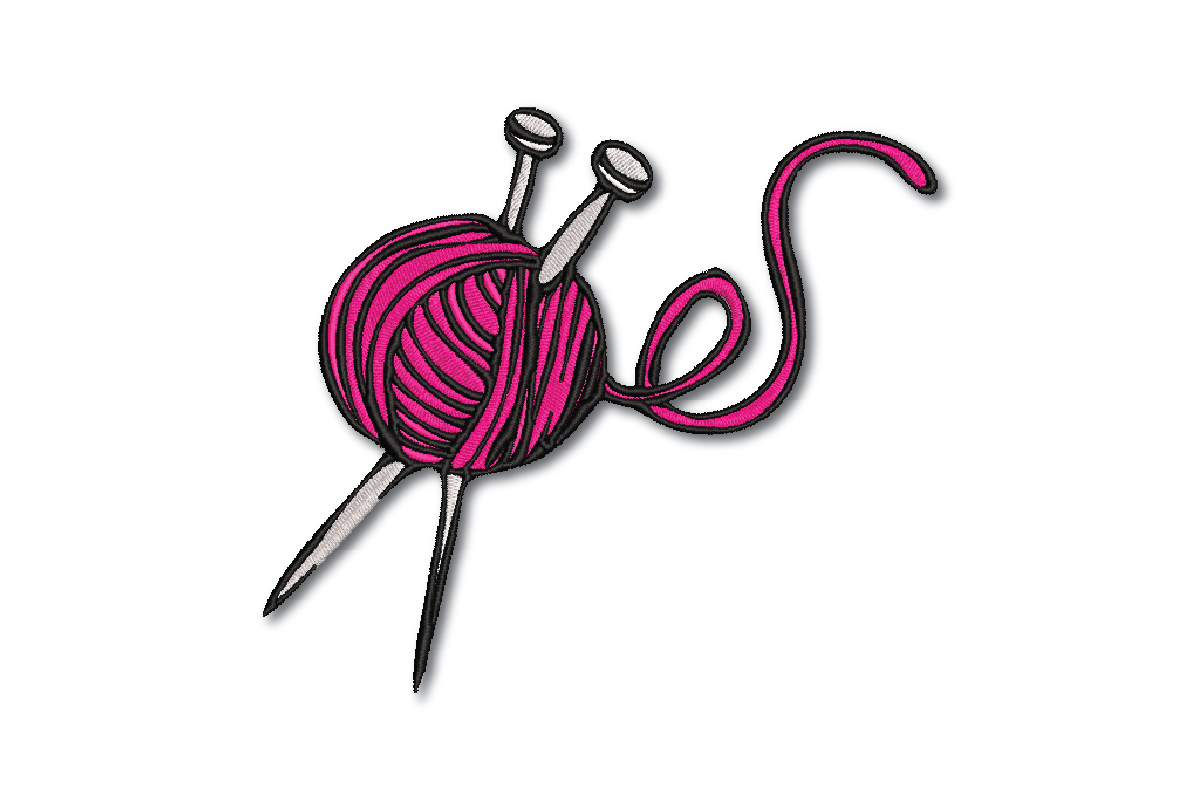
Yarn and Knitting Needles: A Designer Review
As a professional embroidery designer who has spent years translating digital concepts into tangible thread on fabric, I approach every new machine embroidery design with a critical eye. When evaluating assets for small business merchandise, the question is never just "does it look good?" but rather "will this elevate my brand identity and withstand commercial use?" Today, I am reviewing the Yarn and Knitting Needles design, categorized as a Freebie within the Embroidery sector. While free resources are tempting for budget-conscious entrepreneurs, they must meet the same rigorous standards as paid assets to ensure your finished product looks premium.
First Impressions: Visual Personality and Brand Fit
Upon opening the digital embroidery file for Yarn and Knitting Needles, the immediate impression is one of rustic charm mixed with artisanal precision. The imagery evokes a sense of handmade warmth, making it an ideal candidate for brands in the craft, baking, boutique, or creative studio sectors. Unlike generic clip art that often feels flat, this design suggests texture and depth. For a small café wanting to project a cozy atmosphere, or a handmade soap brand aiming for an organic feel, this motif aligns perfectly with their visual narrative. It strikes a balance between playful and professional, avoiding the clutter that can sometimes plague decorative designs.
However, the description warns that "any alteration on the files may affect the output." This is a crucial reminder for designers. The integrity of the stitch path is delicate. If you attempt to resize this embroidery file without proper scaling or adjust the density manually, you risk distorting the needles or tangling the yarn representation. In a commercial setting, where consistency is key, maintaining the original parameters is essential for preserving the design's intended aesthetic.
Real-World Business Applications
The versatility of the Yarn and Knitting Needles design makes it a strong contender for various small business merch applications. Let's explore how this asset performs across different mediums:
- Embroidered Patches: This design excels as a standalone patch. Imagine a woven label on a tote bag or a sew-on badge for a staff member at a knitting workshop. The distinct shapes of the needles and the ball of yarn create a recognizable silhouette even from a distance.
- Apron Embroidery: For bakeries, florists, or craft shops, placing this logo on the chest pocket of a work apron adds a touch of personality to the uniform. It signals to customers that the business values craftsmanship.
- Cap Embroidery: On the front of a baseball cap, this design serves as a subtle yet effective branding element. It works well for event merchandise or as a giveaway item for loyal customers.
- Tote Bag Design: A large-scale version of this machine embroidery design on a canvas tote bag transforms a simple utility item into a statement piece. It reinforces the brand's connection to creativity and manual skill.
- Product Packaging Accents: Beyond apparel, consider using this as a branded accent on gift tags or fabric-wrapped packages. It elevates the unboxing experience for handmade products.
For Etsy sellers and merch creators, having a cohesive set of design assets like this is vital. It ensures that whether a customer buys a shirt, a hat, or a bag, the brand recognition remains consistent. The Yarn and Knitting Needles motif acts as a visual anchor, tying together diverse product lines under a unified theme.
Navigating Challenges and Limitations
While the potential is high, there are specific scenarios where caution is required. As the product description advises, "Remember to always run a sample of the files on the test fabric before stitching on." This is non-negotiable for professional results. Here are the areas where this design requires careful handling:
- Small Patch Sizes: Intricate details, such as the tips of the needles or the texture of the yarn, can get lost if the design is scaled down too much. On a tiny button or a small sleeve detail, the stitches may merge, creating a muddy appearance.
- Curved Surfaces: Applying this design to the curved brim of a cap or the rounded shoulder of a hoodie demands precise digitizing. If the curvature is not accounted for, the needles might appear bent or distorted.
- Fabric Texture: On highly textured fabrics like thick wool or heavy denim, the fine details of the yarn may not pop. You might need to adjust the stitch density or choose a lighter background color to ensure visibility.
- High Stitch Density Areas: If the design includes dense satin stitching for the needles, it could cause puckering on lightweight materials like silk or thin cotton blends. Proper stabilizer selection is critical here.
Additionally, when working with dark uniforms, the contrast of the thread colors becomes paramount. A white or light-colored yarn against a black background will stand out, but you must ensure the needle outlines are defined enough to prevent them from blending into the fabric.
Impact on Brand Identity and Customer Trust
In the competitive landscape of custom apparel and handmade goods, the quality of your embroidery speaks volumes about your brand. A sloppy or poorly executed logo can undermine customer trust. Conversely, a crisp, well-thought-out application of the Yarn and Knitting Needles design signals professionalism and attention to detail. It tells the customer that you care about the quality of your presentation, which often translates to a perception of higher value in your actual products.
Visual consistency is another pillar of brand identity. Using this specific motif across your team's uniforms, packaging, and promotional items creates a memorable brand image. It helps buyers instantly recognize your shop or studio. Whether it's a local bakery or a global online store, these visual cues build familiarity and engagement. When a customer sees the familiar image of the needles and yarn, they associate it with the positive experiences they've had with your brand.
Practical Designer Notes for Production
To ensure success with this commercial embroidery project, follow these practical steps derived from my experience:
- Test in Black and White First: Before committing to expensive thread colors, stitch a test run in a single color. This reveals any issues with jump stitches, underlay, or spacing without wasting materials.
- Verify Hoop Size: Confirm that the design fits comfortably within your machine's hoop. Overfilling the hoop can lead to registration errors and uneven tension.
- Select the Right Stabilizer: Depending on the fabric weight, choose a cut-away or tear-away stabilizer that supports the design without adding bulk.
- Create a Printable Mockup: Always show clients or stakeholders a printable mockup of the design on the intended garment. This manages expectations and prevents costly re-stitches due to placement disagreements.
- Check Licensing: Even though this is listed as a Freebie, verify the terms of use. Ensure you have the right to use it for commercial embroidery purposes, especially if selling the finished goods.
- Inspect Thread Colors: Choose thread colors that offer high contrast against the fabric. Test swatches to see how the dyes react to washing and wear.
By treating the Yarn and Knitting Needles design with the respect and technical care it deserves, you can transform a simple graphic into a powerful tool for your business. It is more than just decoration; it is a strategic asset that enhances your brand's story and connects you with your audience through the tactile language of thread.