Friend Decorative Lettering: A Designer's Review
As a designer who has spent years navigating the intersection of digital files and physical thread, I approach every new machine embroidery design with a specific set of questions. Will it stitch out cleanly? Does it translate well from screen to fabric? And most importantly, will my customers love the finished product enough to recommend my shop? When I first opened the file for Friend Decorative Lettering, I was looking for more than just a word; I was looking for a versatile asset that could elevate a simple tote bag or a custom sweatshirt into something meaningful. This review breaks down how this design performs in real-world scenarios, offering practical insights for fellow crafters, Etsy sellers, and small business owners.
First Impressions: Mood and Visual Personality
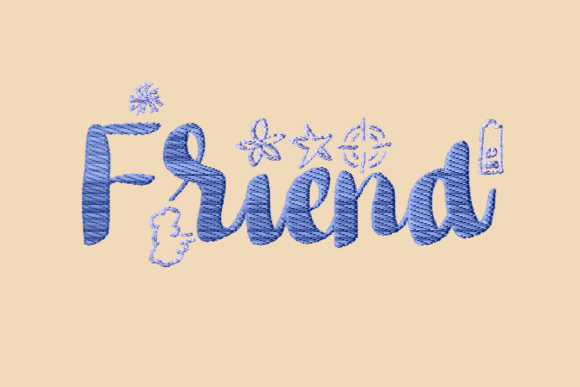
The moment you load Friend Decorative Lettering into your digitizing software or previewer, the intent becomes clear. This is not a standard block font meant for utility; it is an expressive piece of typography designed to evoke warmth and connection. The intricate patterns woven into the letterforms suggest a handcrafted feel, even when executed by a machine. For those of us selling handmade products, this visual personality is crucial. It immediately signals to the customer that the item is special, personalized, and created with care.
The layout feels balanced, avoiding the common pitfall of overcrowding while still providing enough detail to justify a higher price point. The decorative elements seem to dance around the core message without obscuring readability. In the context of the Friends category, this design strikes a perfect chord between playful and elegant. It suggests a bond that is both fun and enduring. Whether you are planning a holiday gift or a boutique merchandise line, the mood it sets is one of celebration and intimacy.
Real-World Application: From File to Fabric
Let’s move beyond the screen and talk about stitching. I recently tested this concept on a heavy-weight cotton tote bag, a staple for many craft businesses. The stitch density appeared well-calibrated for medium-weight fabrics. The fill stitch areas provided solid coverage without feeling overly heavy, which is essential for maintaining the drape of the fabric. On the other hand, the satin stitch outlines added a glossy, premium finish that caught the light beautifully.
For custom apparel, such as a crewneck sweatshirt, this design holds its own. The curves of the lettering flow naturally across the chest area, making it ideal for a left-breast placement or a larger back print. If you are targeting the baby embroidery market, the softness of the decorative lines works wonderfully on onesies or receiving blankets, provided you use a fine needle and appropriate thread tension. The design also translates exceptionally well into an embroidered patch. Because the lettering is self-contained and visually distinct, it creates a bold statement when backed with felt and sewn onto denim jackets or hats.
I also considered how this would look on a kitchen towel or apron for a holiday embroidery project. The warm aesthetic fits perfectly into home decor themes. Imagine a set of towels where each features a different variation of friendship-themed text; Friend Decorative Lettering serves as the anchor for that collection. For the Etsy seller or small shop product creator, this versatility means you can stretch a single digital embroidery file across multiple product categories, maximizing your return on investment.
Navigating Challenges: Where Caution is Needed
While Friend Decorative Lettering is robust, it is not without limitations that any professional must respect. One critical area of concern is the hoop size. The intricate details within the decorative flourishes require sufficient space to breathe. Attempting to squeeze this design into a tiny 4x4 hoop might result in lost details or distorted shapes. Always verify the dimensions against your available hoops before committing to a production run.
Fabric texture plays a significant role here. On highly textured fabrics like thick fleece or boucle, the fine details of the lettering may get lost in the pile. Similarly, on very thin or stretchy materials, the density of the fill stitch could cause puckering if not properly supported. Using a high-quality stabilizer is non-negotiable for these applications. You want the finished product to lay flat and crisp, not warped by the tension of the thread.
Another consideration is the color palette. While the design looks great in monochrome, the interplay of thread colors can make or break the final look. Dark fabrics require careful contrast selection to ensure the decorative elements remain visible. If you are using dark thread on dark fabric, the intricate patterns might vanish, leaving only a vague shape. Always test your color combinations on scrap fabric first. Additionally, for items that undergo frequent washing, such as tea towels or baby clothes, ensure the stitch density is tight enough to prevent fraying but loose enough to allow the fabric to flex without breaking threads.
Impact on Brand and Customer Trust
In the competitive world of commercial embroidery, the quality of your design assets directly influences buyer engagement. Friend Decorative Lettering offers a level of sophistication that elevates a basic garment into a collectible item. When a customer receives a personalized gift featuring this design, they perceive value not just in the material, but in the artistry. This perception builds trust in your brand.
For digital product sellers, offering this type of design allows you to create stunning printable mockups that showcase the potential of your work. Clear, high-quality visuals help customers visualize the final result, reducing hesitation at checkout. Consistency in your design style—using fonts and motifs that align with your brand voice—creates a cohesive shopping experience. Whether you are selling a tote bag design or a sweatshirt embroidery package, the professionalism of the execution speaks volumes.
Practical Notes for Designers and Makers
Before you integrate Friend Decorative Lettering into your workflow, take a moment to perform a few checks. First, always run a test on scrap fabric. This allows you to adjust tension, check for underlay issues, and confirm that the running stitch details are holding up. Second, review the licensing terms carefully. As a small business owner, you need to know if you are permitted to sell the finished goods or if the license restricts you to personal use only. Never assume; clarity here protects your business.
Third, consider the audience. Is this design suitable for the demographic you serve? The whimsical nature of the lettering appeals strongly to those looking for sentimental gifts, but it might not fit a corporate branding project. Finally, don't forget to inspect the small details. Zoom in on the corners and intersections of the letters. Are there any gaps where the background fabric might show through? Are the turns sharp enough to maintain the design's integrity?
Friend Decorative Lettering is a strong addition to any embroidery library. It balances artistic flair with functional reliability, making it a go-to choice for creating memorable, high-quality items. By understanding its strengths and limitations, you can ensure that every stitch contributes to a beautiful, professional, and profitable outcome.