Nana Flower: A Business Review for Merchandise
As a professional embroidery designer who has spent years translating digital files into tangible brand assets, I approach every new machine embroidery design with a critical eye. It is not enough for a file to look good on a screen; it must translate seamlessly onto fabric, withstand the rigors of commercial use, and elevate the perceived value of the finished product. Today, I am reviewing the Nana Flower design, specifically evaluating its potential for small business merchandise, branded patches, and custom apparel lines.
First Impressions: Visual Personality and Brand Fit
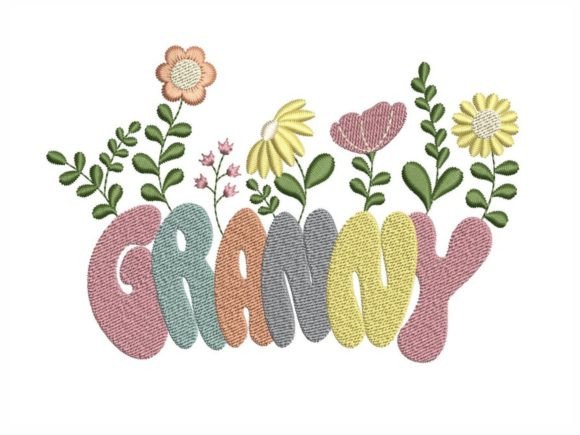
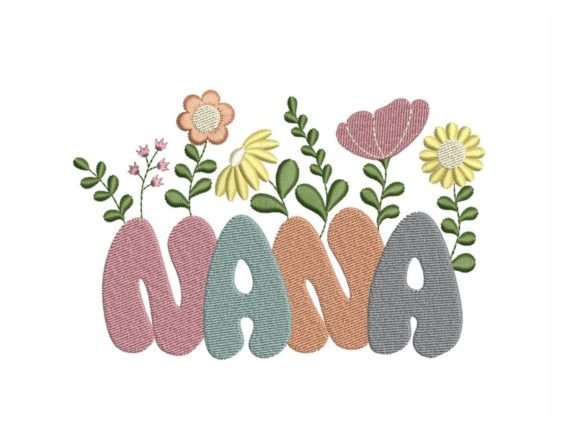
The title Nana Flower immediately evokes a sense of warmth, nostalgia, and organic beauty. In the context of branding, this design feels less like a corporate logo and more like a signature element for a boutique or handmade brand. The floral motif suggests a friendly, approachable aesthetic that resonates well with customers looking for artisanal quality. For businesses in sectors like floristry, bakeries, pet care, or local cafés, this design offers a perfect balance between rustic charm and professional polish.
When viewing the concept for Mother S Day collections, the name carries significant emotional weight. It positions the design as an ideal candidate for limited-edition gift items, family-oriented apparel, or commemorative merchandise. However, for a year-round business strategy, the versatility of the flower itself allows it to function as a standalone brand mark, independent of the seasonal holiday association. The visual language is elegant yet playful, making it suitable for both premium packaging accents and casual staff uniforms.
Performance in Real-World Business Applications
The true test of any digital embroidery file lies in its application across various substrates. Here is how Nana Flower performs when moved from the design software to the production floor:
- Embroidered Patches: This design excels as a detachable patch. The floral structure likely holds up well with satin stitching for outlines, creating a bold silhouette that stands out on denim jackets, canvas tote bags, or heavy cotton hoodies. For a small business merch line, offering these as add-ons can increase the average order value significantly.
- Staff Uniforms and Aprons: Placing Nana Flower on the chest pocket of a chef's jacket or the bib of a café apron adds a touch of personality to workwear. It signals a brand that cares about aesthetics and detail. The design is large enough to be visible but typically compact enough to avoid overwhelming the garment.
- Cap Embroidery: On structured caps, this floral design can serve as a front logo or a side accent. The key here is ensuring the stitch density does not cause puckering on the curved surface of the cap panel. If the file is optimized correctly, it creates a high-end look that distinguishes your team from competitors using printed hats.
- Tote Bag Design: Canvas totes are a staple for eco-conscious brands. Nana Flower works beautifully as a central motif or a corner seal on these bags. The texture of the canvas complements the raised nature of the embroidery, enhancing the tactile experience for the customer.
For Etsy sellers and craft business owners, this design serves as a powerful tool for differentiation. When you attach a high-quality embroidered label or patch featuring Nana Flower to a handmade product, you instantly elevate the item from "homemade" to "boutique." This shift in perception justifies higher price points and builds stronger brand identity.
Critical Considerations for Production
While the potential is high, experienced designers know that not every design works everywhere. There are specific scenarios where Nana Flower requires careful handling to maintain professionalism:
- Small Patch Sizes: If you attempt to shrink this design too aggressively for a tiny button or a small cuff, you risk losing the delicate details of the petals. Always check the minimum recommended size before scaling down. Blurry or merged stitches ruin the premium feel.
- Fabric Texture: On highly textured fabrics like fleece, ribbed knits, or thick corduroy, intricate floral details can get lost. The stabilizer choice becomes critical here. You may need a cutaway stabilizer rather than a tear-away to support the stitch density without distorting the fabric.
- Dark Uniforms: While flowers look great on dark backgrounds, they require a solid underlay layer to ensure the thread colors pop. Without proper underlay settings, the design might appear muddy or translucent against black or navy garments.
- High Stitch Density Areas: Review the file for areas where the petals overlap heavily. Excessive density can lead to stiff patches that are uncomfortable to wear or difficult to wash. If the design feels too heavy, consider simplifying the outline or reducing the fill count in post-production editing.
Impact on Brand Identity and Customer Trust
In the crowded marketplace of custom apparel and commercial embroidery, consistency is king. Using a cohesive design asset like Nana Flower across your product line—whether it's on a pillowcase, a framed artwork piece, or a uniform—creates a recognizable visual rhythm. Customers begin to associate the floral motif with your brand's values of care, creativity, and quality.
This visual consistency builds trust. When a client receives a tote bag with a perfectly stitched Nana Flower logo, they perceive the business as established and professional. Conversely, a poorly executed embroidery job can damage reputation quickly. Therefore, treating this design as a core design asset rather than just a decoration is essential for long-term growth.
Practical Designer Notes for Implementation
Before committing to a full production run of small business merch featuring this design, follow these professional protocols:
- Test in Black and White: Before selecting vibrant thread colors, digitize or preview the design in a single color. This helps you identify gaps in the stitching path and ensures the shape holds together without relying on color contrast.
- Verify Hoop Size: Confirm that the design fits within your standard hoop sizes. If Nana Flower requires a large hoop, it may limit your ability to embroider it on smaller items like sleeves or hat brims without re-digitizing.
- Check Thread Color Contrast: Ensure the selected thread colors provide sufficient contrast against the base fabric. A subtle flower on a similar-colored shirt may go unnoticed, defeating the purpose of branding.
- Create a Printable Mockup: Before sending files to clients or producing inventory, generate a high-resolution printable mockup. This allows stakeholders to visualize the scale and placement on the actual garment, preventing costly mistakes.
- Confirm Commercial Licensing: As a business owner, you must verify the license terms of the embroidery file. Ensure you have the right to use Nana Flower for commercial products, especially if selling them at scale. Never assume personal use licenses cover resale.
Ultimately, Nana Flower is a versatile asset that, when handled with professional care, can transform simple textiles into branded experiences. By respecting the technical limitations of the machine and the fabric, you ensure that every stitch contributes to a polished, profitable, and memorable brand presence.